간장애 환자의 통증 관리
(Pain Management in Hepatic Impairment) ; Palliative CarePalliative Care Guidelines
간장애를 가진 환자의 통증관리는 상당히 복잡하다. 신장애 환자에게서는 SCr을 통한 약물 clearance를 예측할 수 있다.
하지만 간으로 대사되는 약물이 있다고 하더라도 그 약물의 clearance를 예측할 수 있는 biomarker나 공식이 부족한 형편이다.
bilirubin 상승, INR & PT의 상승, ALT의 상승, 낮은 albumin, 복수의 존재 등은 간장애의 중증을 평가할 수 있는 biomarker가 있지만 민감도가 낮다.(low sensitivity) 따라서 serial한 추세를 평가하는 것이 중요하다.
간장애 환자에게서의 약물 조정은 환자 특이적이여야 한다.(patient specific)
처방은 가능한 최소한으로 필요한 약제만 유지되어야 한다. opioid의 경우, 낮은 용량에서 시작하고, 가능한 천천히 효능과 부작용을 titration해야 한다.
다음은 간장애 환자에서의 일반적인 검토사항이다.
1. transdermal이나 ER 제형은 피한다.
2. 변비가 생기지 않도록 한다. (Hepatic encephalopathy; HE 악화 가능성 커짐)
3. 잘 알려진 간독성 약제는 피하도록 한다.
특히 HE 환자에게서 opioid나 sedative는 뇌 기능을 더욱 더 depressed시키고 HE를 악화시킬 수 있다.
- Increased pressure in the portal system shunts blood via anastomoses to the systemic circulation.
This, along with altered blood-brain barrier permeability and cerebral blood flow, results in the passage of neurotoxins to the brain causing encephalopathy. Constipation should be avoided as an increased bowel transit time may cause increased ammonia absorption and precipitate encephalopathy.
Analgesics: recommendations based on type of liver disease[2]
|
Type of liver disease |
Paracetamol |
NSAID |
Opioid |
|
Mild hepatitis |
일반 용량 (caution in malnourished acute viral hepatitis) |
일반 용량 |
일반 용량 |
|
Cholestasis |
일반 용량 |
가능하면 피하고, |
주의 |
|
Compensated |
일반 용량 (caution in malnourished |
Avoid |
가능하면 피함 Preferred strong opioid |
|
Decompensated |
일반 용량 (반감기 연장) |
Avoid |
Compensated cirrhosis와 |
|
Acute liver failure |
투여 간격 연장 |
Avoid |
Compensated cirrhosis와 |
* paracetamol의 경우 간장애 환자에게서 사용할 수 있는 가장 안전한 약물이라고 할 수 있다.
Though nonhepatologists have warily regarded its use in patients with liver disease, acetaminophen is a safe and effective pain reliever as long as the patient does not consume alcohol.
* NSADIS의 경우 간장애 환자에게서 피하는 것이 좋다.
In practice, NSAIDs are contraindicated for all patients with cirrhosis due to risk for renal failure and gastrointestinal bleeding, even for patients with well-compensated liver disease. NSAIDs can also precipitate the development of ascites and nephrotoxicity, particularly in patients with portal hypertension.
간장애 시 약제별 권고 사항
|
Drug |
Class |
Recommendations |
Comment |
|
Codeine |
Weak opioid |
Avoid |
- |
|
Dihydrocodeine |
Weak opioid |
Use with caution |
- |
|
Tramadol |
Weak opioid |
Avoid if severe |
Moderate impairment |
|
Morphine |
Strong opioid |
Use with caution |
Moderate impairment Severe impairment |
|
Buprenorphine |
Strong opioid |
Use with caution |
May be opioid of choice |
|
Oxycodone |
Strong opioid |
Contraindicated |
Moderate impairment minimum dosing interval |
|
Oxycodone/Naloxone |
Strong opioid |
Avoid in liver disease |
Naloxone component may |
|
Fentanyl |
Strong opioid |
Use with caution |
Avoid transdermal Single doses appear May be suitable for |
|
Hydromorphone |
Strong opioid |
Use with caution |
Dosage reduction |
|
NSAIDs |
Adjuvant |
Avoid |
- |
|
Pregabalin |
Adjuvant |
Not affected |
Normal doses |
|
Gabapentin |
Adjuvant |
Not affected |
Normal doses |
|
Ketamine |
Adjuvant |
Use with caution |
Dosage reduction |
Hepatocellular cancer pain[3]
|
Drug |
NCCN clinical guideline |
Dose adjustment |
|
Codeine |
poor metabolizer : 효과 감소 rapid metabolizer : 독성 증가
|
BA나 진통 효과 감소됨 금기 |
|
Dihydrocodeine |
- |
- |
|
Tramadol |
SSRI, TCA, SNRI 병용 환자에게 금기 최대 용량(normal renal/hepatic) |
BA가 2-3배 증가됨 |
|
Morphine |
opioid-naïve 환자에게서 drug of choice. 경구제 선호. |
용량과 투여 횟수 50% 감소 |
|
Buprenorphine |
패취제가 만성 통증에 승인 받음 |
용량 조절 할 필요는 없지만 |
|
Oxycodone |
morphine과 유사한 진통효과 & |
BA 50-95% 정도 증가 |
|
Oxycodone/Naloxone |
- |
- |
|
Fentanyl |
패취제의 경우 rapid titration Sublingual, buccal, and
|
1회 투여시 용량 조절 불필요 |
|
Hydromorphone |
신경 독성이 있는 대사체 하지만 다른 진통제에 충분히 |
제한된 데이터, |
|
Pethidine |
추천되지 않음. 신경독성 & 부정맥 유발 가능 |
- |
|
NSAIDs |
신부전/위장관 출혈 유발/복수/ |
- |
|
Pregabalin |
50 mg tid → 100 mg tid |
Limit dose to 150 mg orally twice daily |
|
Gabapentin |
100-300 mg(밤) → 900-3600 mg #2-3 mucositis pain에 효과적임 |
Limit dose to 300 mg orally a day |
* opioid 계열 중 간대사를 받아 active form으로 전환 경우, 간장애시 effect의 감소가 생길 수 있다.
ex) codeine, tramadol
* opioid 계열 중 간대사를 받아 in-active form으로 전환 경우, 간장애시 effect의 증가 & ADR 증가가 생길 수 있다.
ex) pethidine : cirrhotic Pt에게서 1차 초회통과 효과의 감소로 CNS suppression & hepatic encephalopathy 등이 유발될 수 있음
* opioid 계열 중 대사체로 인한 ADR이 생길 수 있다.
ex) codeine : 대사체의 축적으로 호흡억제 유발 가능.
ex) fentanyl, methadone, hydromorphone : CYP에 의해 대사되지만 독성 대사체를 생성하지 않음.
* opioid 계열 중 CYP system보다 glucuronidation에 의해 대사되는 약제를 선호한다.
ex) morphine, buprenorphine : glucuronidation에 의한 대사는 간장애시에도 덜 영향을 받는다.
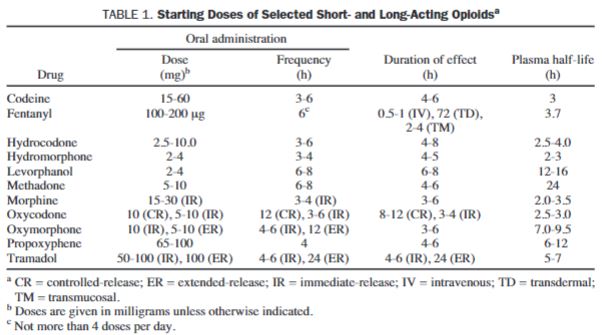
* opioid 계열 중 short acting opioid가 선호된다.[4]
reference :
- Rhee C, Broadbent AM. Palliation and liver failure: palliative medications dosage guidelines. (review) J Palliat Med 2007;10(3):677-85
- Tweed J, Croxen F, Foot K. Choice of analgesic. In: North-Lewis P, ed. Drugs and the liver. London: Pharmaceutical Press, 2008:171-210
- Christian-Miller, Nathaniel, and Catherine Frenette. "Hepatocellular cancer pain: impact and management challenges." Journal of hepatocellular carcinoma 5 (2018): 75.
- Argoff, Charles E., and Daniel I. Silvershein. "A comparison of long-and short-acting opioids for the treatment of chronic noncancer pain: tailoring therapy to meet patient needs." Mayo Clinic Proceedings. Vol. 84. No. 7. Elsevier, 2009.
'🤹♂️ 카테고리별 약물 > 진통·진정' 카테고리의 다른 글
| 간부전 환자의 진정제, liver failure, sedative, cirrhosis (0) | 2020.10.10 |
|---|---|
| 신부전 환자에게서의 진통제, Analgesic medications for chronic pain management in CKD stages 4 and 5 (0) | 2020.10.06 |
| PRIS(Propofol Infusion Syndrome), 증상, 예방 (0) | 2020.09.15 |
| Propofol 용해 보조제 차이, 아네폴(ANEPOL) vs 프레조폴(FRESOFOL MCT) (0) | 2020.09.09 |
| propofol 희석할 수 있나요? (0) | 2020.09.07 |


댓글